
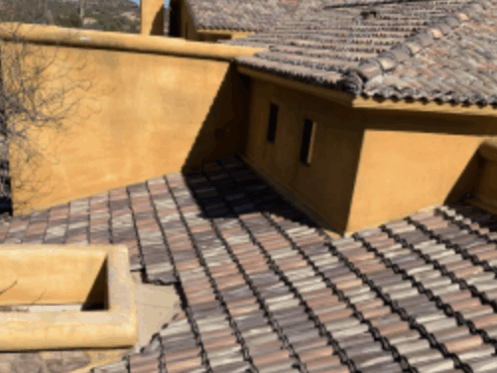
Your roof takes a beating in the Arizona desert. Intense UV, monsoon storms, and sudden heat swings wear it down faster than most homeowners expect. Catching damage early is the difference between a quick repair and a full replacement.
Desert State Roofing has helped homeowners across Cave Creek, Carefree, Scottsdale, Paradise Valley, and the North Phoenix Valley protect their roofs since 2016. Below are the warning signs worth watching, what they mean, and when to call a pro.
Quick Checklist: Signs Your Roof Needs Repair
- Water stains or bubbling paint on ceilings and walls
- Missing, cracked, or curling shingles
- Cracked or slipped roof tiles
- Active leaks or moisture in the attic
- Sagging roof sections
- Rust or corrosion on metal roofing
- Blistering or bubbling roof surfaces
- Ponding water on flat or low-slope roofs
- Gaps or separation at seams and flashing
- Repeated damage after monsoon storms
If you spot any one of these, it’s worth a professional inspection. Several together usually means the damage is already spreading.
1. Water Stains and Interior Damage
Brown stains, blistering, or bubbling paint on ceilings and walls almost always trace back to a roof leak. Left alone, water infiltration leads to mold, wood rot, and damaged insulation.
Stains spread fast, so early attention keeps a small repair from turning into a structural problem.
2. Missing or Damaged Shingles
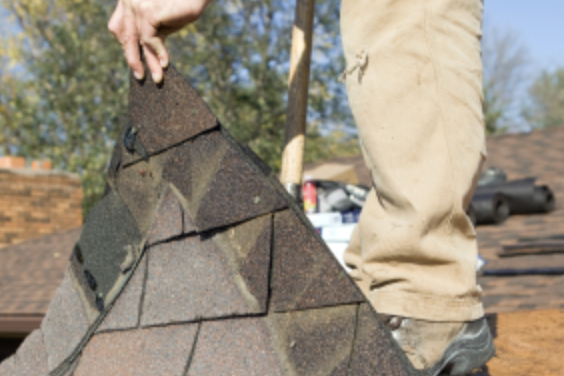
Shingles are your roof’s first line of defense. Monsoon winds, blowing debris, and age cause them to crack, curl, or tear off completely.
Every missing shingle is an open door for moisture. Replacing them promptly stops the underlying decking from deteriorating. If your roof uses asphalt, learn more about shingle roofing and how we repair it.
3. Cracked or Broken Tiles
Tile roofs are common across Cave Creek and Carefree, and they last for decades. But individual tiles crack or slip from storm impact or falling debris.
A few broken tiles expose the underlayment and lead to leaks, so they need replacing quickly. See how we handle tile roofing repairs.
4. Roof Leaks and Attic Moisture
Even a small leak causes major damage over time. Water in the attic soaks insulation, rots framing, and can reach electrical wiring.
Many leaks aren’t visible from inside the living space until the damage is significant, which is why attic inspections after heavy rain matter.
5. Sagging Roof Sections
A dip or sag in the roofline signals structural trouble, usually from trapped moisture, rot, or weakened decking.
Sagging is one of the more serious warning signs and should be inspected right away before it becomes a safety risk.
6. Rust and Corrosion on Metal Roofing
Metal roofs are durable but not immune to corrosion. Moisture and desert debris wear down panels and fasteners over time, opening the door to leaks.
Catching rust early lets us treat and repair panels instead of replacing the whole system. Here’s more on metal roofing repair and maintenance.
7. Blistering or Bubbling Surfaces
Blisters and bubbles on shingle or foam roofs point to trapped moisture or poor ventilation. When they burst, water gets into the roof system.
This is common on foam roofing in the Phoenix Valley and is fixable when caught early.
8. Ponding Water on Flat Roofs
Flat and low-slope roofs can develop spots where water pools instead of draining. Ponding accelerates material breakdown and adds stress to the structure.
Correcting drainage prevents leaks and extends the roof’s life.
9. Gaps and Separation at Seams or Flashing
Flashing seals the vulnerable points around vents, chimneys, and valleys. When it cracks, lifts, or separates, water finds its way in.
Resealing or replacing flashing is a routine repair that prevents expensive interior damage.
10. Repeated Storm Damage
Arizona monsoon season brings wind, hail, and heavy rain. If your roof keeps taking damage storm after storm, it may need reinforcement.
A thorough inspection after storm damage identifies weak points before the next system rolls through.
Repair or Replace? How to Tell
Isolated issues like a few missing shingles or cracked tiles are usually simple repairs. Widespread damage, or a roof near the end of its lifespan, may call for a full roof replacement.
The only way to know for sure is a professional assessment. We give you an honest answer either way.
Why a Professional Roof Inspection Matters
Most roof damage isn’t visible from the ground. A professional inspection uses the right equipment and trained eyes to check shingles, tiles, flashing, and seams, then delivers a clear report.
Desert State Roofing provides honest assessments and transparent estimates so you can make an informed decision about repair versus replacement.
Frequently Asked Questions
How often should I have my roof inspected in Arizona?
At least once a year, plus after any major monsoon storm. Desert sun and seasonal storms wear roofs faster than milder climates, so regular checks catch problems early.
Do I need a repair or a full replacement?
It depends on the extent and age of the damage. Isolated issues like a few missing shingles or cracked tiles are usually repairs. Widespread damage or a roof near the end of its lifespan may call for replacement. An inspection gives you the answer.
How much does roof repair cost in the Phoenix Valley?
Cost varies by roof type, the extent of damage, and materials. Desert State Roofing provides free, transparent estimates after inspecting your roof so there are no surprises.
What areas does Desert State Roofing serve?
We serve Cave Creek, Carefree, Scottsdale, Paradise Valley, Phoenix, Anthem, Rio Verde, and the surrounding North Phoenix Valley.
Schedule Your Roof Inspection Today
Don’t wait for a small issue to become a major expense. If you’ve noticed any of these warning signs, contact Desert State Roofing in Cave Creek, AZ for a professional inspection and dependable roof repair.
Call (602) 377-0683 to protect your home and your investment.

