
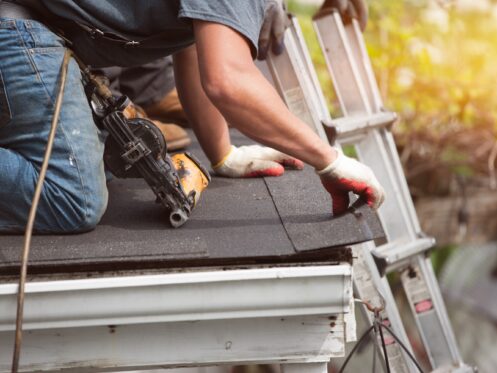
If you’re thinking about residential roof repair, you might notice how different the experience feels today compared to ten years ago. The industry has changed in many key ways. From materials and technology to homeowner expectations and market trends, roofing projects have evolved. At Desert State Roofing, we’ve seen these shifts firsthand while serving homeowners in Cave Creek, Arizona, and beyond. Our goal with this blog is to help you understand why roofing looks so different now and how those changes affect your home. We want you to feel confident and informed when planning your next roofing project.
The Rise of Residential Roof Repair and Replacement
One of the clearest signs of change in the roofing industry comes from recent market data. According to Mordor Intelligence, by installation type, replacement projects made up 81.65% of the United States roofing market size in 2025, whereas new installations are forecast to grow at a 7.52% CAGR to 2031.
That tells a clear story. Most roofing work today is not focused on brand-new homes. Instead, it centers on homes that already exist and need attention. More homeowners are investing in residential roof repair and roof replacement as properties age. Storm activity and shifting weather patterns also increase wear and tear. Because of this, the roofing industry has shifted toward extending the life of existing roofs rather than starting over with new construction.
A Decade of Material Innovation
Ten years ago, traditional asphalt shingles dominated the residential roofing market. They were affordable, widely available, and familiar to most homeowners. Today, material options have expanded significantly. Advances in roofing materials are changing how roofs look, how they perform, and how long they last.
Metal roofing has gained attention due to its durability, recyclability, and energy efficiency, often lasting decades longer than traditional shingles. Synthetic and composite shingles have also become more common, offering the appearance of wood or slate while handling weather exposure more effectively. In addition, specialty coatings and cool roofing options are helping reduce heat absorption, which is especially important in warmer climates like Arizona.
These innovations reflect homeowner priorities that now include sustainability, energy savings, and long-term value.
Technology Has Changed the Way Roofs Are Built and Serviced
Roofing inspections and estimates once relied heavily on ladders, manual measurements, and ground-level assessments. That approach has evolved rapidly. Modern tools have made roofing projects safer, more accurate, and easier for homeowners to understand.
Drone inspections now allow roofing professionals to capture detailed images of the roof without unnecessary risk. Digital measurement tools help produce accurate quotes quickly, while visualization software allows homeowners to see 3D representations of their roof before work begins. These tools reduce guesswork, improve planning, and support clearer communication throughout the project.
Environmental and Energy Trends
Climate awareness and rising energy costs play a much larger role in roofing decisions today. Homeowners want their roof to contribute to comfort and efficiency, not just weather protection. A decade ago, these concerns were less common in residential roofing conversations.
Today, cool roof systems are designed to reflect sunlight and reduce heat transfer into the home, helping manage indoor temperatures. Solar shingles and integrated solar roofing systems are also becoming more common in both new and renovated homes, offering another way to improve energy performance. These trends have contributed to updated building codes and incentive programs that encourage energy-conscious roofing choices.
Changing Homeowner Expectations
Modern homeowners expect more than basic leak repair. They want solutions that combine appearance, durability, and value. In the past, many roofing decisions focused primarily on cost. Today, longevity, material performance, sustainability, and energy efficiency are equally important.
Homeowners frequently ask how long a roof will last, which materials work best in the local climate, and whether a roof can help reduce energy bills. These are conversations we have every day at Desert State Roofing. Rising expectations have encouraged higher standards across the industry and more customized roofing solutions.
Market Trends and Consumer Demand
The roofing market itself has shifted alongside homeowner priorities. According to Mordor Intelligence, replacement projects accounted for over 80 percent of the roofing market in 2025. This reinforces the growing focus on maintaining and improving existing homes rather than building new ones.
As the market grows, homeowners have access to more materials, technologies, and service options. That also makes it more important to work with experienced professionals who can explain those choices clearly and help homeowners select what fits their needs.
Better Safety Standards and Professional Practices
Roofing has always involved risk, but safety standards have improved significantly over the past decade. Modern roofing crews use advanced safety harness systems, improved training, and digital planning tools that reduce unnecessary time on the roof. These practices protect both workers and homeowners while supporting better project outcomes.
Higher safety standards also build trust. Homeowners want to work with roofing companies that follow best practices and prioritize quality at every step.
How Climate and Weather Patterns Shape Roofing Projects
Arizona’s climate strongly influences roofing design and repair. In areas like Cave Creek, intense sun exposure, monsoon storms, and occasional hail require durable materials and thoughtful installation. Ten years ago, many roofs were built without access to the wide range of materials and coatings available today.
Modern roofing projects often include weather-resistant materials, designs that reflect heat more effectively, and proactive maintenance planning. These changes help protect homes and reduce the likelihood of emergency repairs.
The Human Side of Roofing: Communication and Customer Care
Roofing projects were once more transactional. Today, homeowners expect transparency and ongoing communication. Clear timelines, honest assessments, and straightforward pricing are now part of the standard experience.
At Desert State Roofing, we emphasize open communication from the first inspection through project completion. We provide honest evaluations of roof conditions and guide homeowners through their options so they can make informed decisions. Professionalism and customer care have become just as important as technical skill.
The Future of Residential Roofing
The roofing industry will continue to evolve over the next decade. Improvements in energy efficiency, smart home integration, and material performance are expected to shape future projects. Durability in extreme weather will remain a priority as climate conditions continue to change.
Staying informed helps homeowners make better decisions when it’s time for roof repair or replacement.
Residential Roof Repair in Cave Creek, AZ, From Desert State Roofing
If you’re considering residential roof repair or roof replacement in Cave Creek, AZ, Desert State Roofing is here to help. Roofing projects may look different today than they did ten years ago, but our commitment to quality, communication, and craftsmanship remains the same.
Whether your roof needs minor repairs or a full replacement, our team provides clear guidance and dependable service tailored to your home. Contact Desert State Roofing today to schedule a consultation and protect your home with a roof built to perform now and into the future.

