
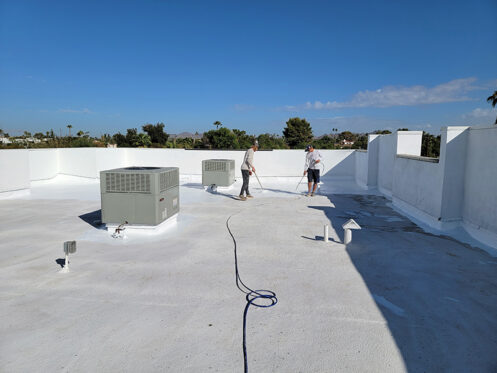
Commercial roofing problems often start out of sight. Many business owners do not realize there is an issue until water shows up inside the building. Desert State Roofing helps property owners avoid expensive surprises by providing honest evaluations and dependable solutions, including roof replacement in Cave Creek and nearby areas. Their team works with BUR, modified bitumen, thermoplastic systems, and more, and understands when repairs are no longer enough.
Catching warning signs early can help you plan ahead, protect your building, and avoid emergency damage. Below are the most common signs that point to the need for roof replacement in Cave Creek, rather than ongoing repairs.
1. Ongoing Leaks Inside the Building
Water dripping from ceilings or running down walls is a serious sign. When leaks keep returning after repairs, it often means the roofing system has reached the end of its life. Moisture can travel far beneath the surface, so visible leaks usually indicate more serious damage. In many cases, repeated leaks signal that roof replacement in Cave Creek is the safer long-term solution.
2. Widespread Ceiling and Wall Stains
Yellow or brown stains show long-term water intrusion. If stains continue to appear in new areas, the roof may be failing across large sections. At this stage, patching isolated spots may no longer solve the problem, and replacement becomes the better investment.
3. Persistent Ponding Water
Flat and low-slope commercial roofs should drain within a reasonable time. Standing water that remains for days adds stress and speeds up material breakdown. If ponding is widespread and tied to sagging or insulation failure, roof replacement in Cave Creek may be necessary to restore proper drainage.
4. Blistering or Bubbling Across the Roof
Bubbles or raised areas in the membrane usually mean moisture or air is trapped below the surface. In Phoenix, this problem shows up faster than in most cities. Intense desert UV exposure breaks down roofing materials at a higher rate, weakening seams and speeding up granule loss. Once that protection thins out, heat pushes air and moisture into the system, creating blisters across the roof. When you see more than one raised area, it often points to system-wide failure rather than a small defect.
Extreme heat cycles make the damage worse. Phoenix roofs can hit surface temperatures well above 120°F during the day, then cool off rapidly at night. That constant expansion and contraction puts heavy stress on the membrane. Over time, blisters crack open, allowing water to spread beneath the surface. This is one of the primary failure patterns seen on Phoenix roofs. At that stage, repeated patching usually falls short. Full replacement often gives you better protection, longer service life, and fewer surprise repairs than chasing leaks one at a time.
5. Cracks, Splits, or Tears in Multiple Areas
Isolated damage can often be repaired. However, when cracks and tears appear across the roof surface, seams, and penetrations, it shows widespread wear. This level of deterioration usually points to the need for roof replacement in Cave Creek rather than continued repairs.
6. Missing or Deteriorating Roofing Materials
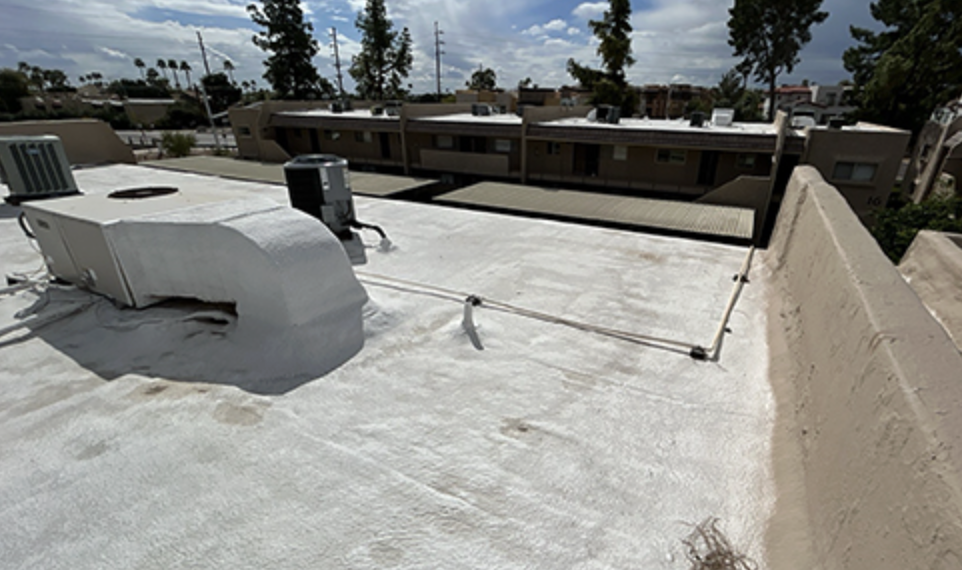
Loose membranes, exposed insulation, or missing sections leave the building vulnerable. If wind or weather continues to pull materials away, the roof may no longer be structurally sound. Replacement restores full protection instead of chasing recurring failures.
7. Failing Seams and Joints
Seams and joints are common failure points on any commercial roof because they connect separate sections of material and surround roof features. Over time, heat, weather exposure, and normal movement can cause these areas to weaken. When separation shows up across multiple seams instead of just one isolated spot, it often points to system-wide aging rather than a simple repair issue.
As seams pull apart, water can slip beneath the surface and spread unnoticed. This type of damage is difficult to control with patchwork alone. Desert State Roofing often recommends roof replacement in Cave Creek when seam failure becomes widespread, as a new system restores proper seals and long-term protection.
8. Sagging or Soft Areas
Sagging sections or soft spots underfoot usually point to structural fatigue rather than water damage in Phoenix. Years of extreme heat place constant stress on decking and support components, causing materials to weaken and lose rigidity over time. In many cases, the issue traces back to poor original installation, undersized supports, or fastening failures that show up as the roof ages.
Seasonal monsoon storms and haboobs can also play a role. Strong wind uplift and sudden pressure changes strain already weakened areas, leading to visible dips or soft spots. These conditions signal a deeper structural problem that surface repairs cannot correct. Replacement makes it possible to remove compromised layers, correct support issues, and rebuild the system to restore strength and long-term stability.
9. Rising Energy Costs
As a roof ages, it loses its ability to block heat, which is a major issue in the Phoenix area. Intense sun exposure breaks down roofing materials and compresses insulation, allowing radiant heat to pass straight through the roof. When roof surfaces reach 120°F or higher, that heat pours into the attic and pushes indoor temperatures up fast.
Rising cooling bills are often the first warning sign. Gaps, weakened seams, and flattened insulation force air conditioning systems to run longer and harder just to keep spaces livable. During long summers, that added strain shows up on energy bills and equipment wear. Replacing an aging roof in Cave Creek helps restore proper thermal resistance, reduces attic heat gain, improves indoor comfort, and lowers cooling costs over time.
10. Sun, Heat, and Storm Stress on Phoenix Roofs
In the Phoenix area, roofs break down fast due to constant environmental stress. Prolonged UV exposure dries out shingles, making them brittle and prone to cracking. Daily temperature swings of 40–50°F force materials to expand and contract, which loosens fasteners and weakens seams over time. During monsoon season, sudden high winds can lift already compromised shingles, exposing the roof to further damage. Haboobs add another layer of strain by driving dust and debris into roof valleys, where buildup interferes with drainage and increases wear in vulnerable areas.
Why These Signs Matter
Commercial roofs typically last 20 to 30 years, but harsh weather, foot traffic, and time all take a toll, especially in Phoenix, where shingle roofs can sometimes last only 10-22 years. Small problems grow when ignored. What starts as a leak can lead to damaged insulation and structural risk. Planning for roof replacement in Cave Creek before failure helps control costs and avoid disruptions.
What Desert State Roofing Provides
Desert State Roofing inspects the full roofing system, not just visible damage. Their team explains findings clearly and helps you understand whether repair or replacement makes the most sense. When replacement is recommended, they outline the process, timeline, and costs upfront.
Serving the Cave Creek area since 2016, Desert State Roofing is trusted for commercial and residential roofing systems of all types. Their focus is long-term protection, clear communication, and work done right the first time.
Protect Your Building Before Damage Spreads
If your building shows several of these signs, it may be time to consider roof replacement in Cave Creek. Waiting can increase damage and cost. Desert State Roofing is ready to help you take the next step with confidence.
Contact Desert State Roofing today to schedule an inspection and keep your building protected for years to come.

